The Challenge of Anomaly Detection
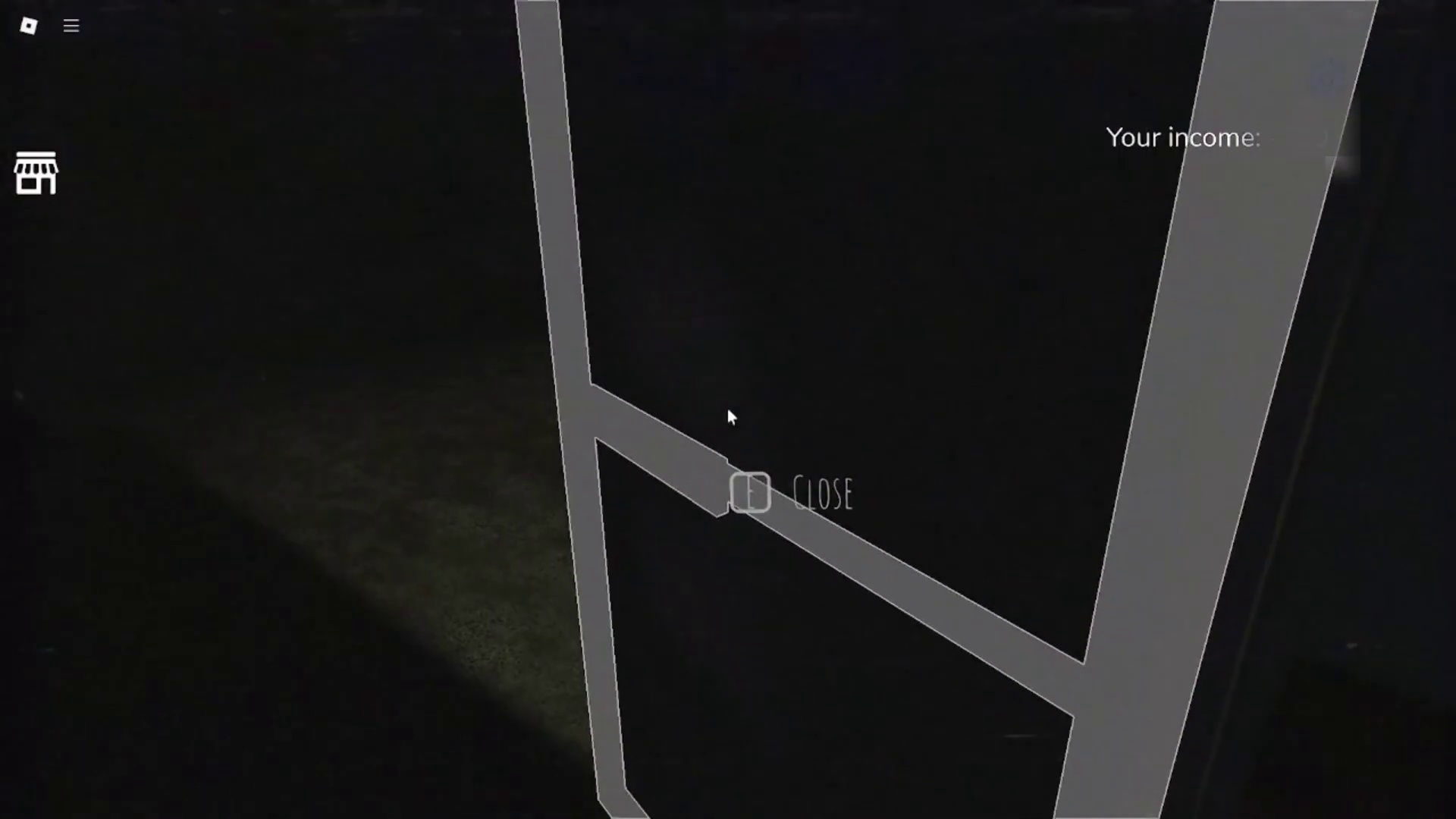
One of the trickiest aspects of Scary Shawarma Kiosk is that even regular customers can seem strange. Your job is to determine whether they're just an odd individual or if they're actually a dangerous entity. This requires developing a keen eye for detail and learning to trust your instincts.
The more you play, the more you'll get used to how normal customers behave. This experience is crucial—it helps you develop a baseline for "normal" behavior, making anomalies stand out more clearly.
Multi-Layer Detection System
Effective anomaly detection requires using multiple methods simultaneously. Don't rely on just one indicator—combine visual, behavioral, and environmental cues for the most accurate identification:
Layer 1: Visual Inspection
- Quick scan of customer appearance
- Check for distorted proportions or extra limbs
- Look for white/glowing eyes or missing features
- Observe skin color and texture abnormalities
Layer 2: Behavioral Analysis
- Listen to speech patterns and dialogue
- Observe movement and body language
- Watch for aggressive or threatening behavior
- Note any transformation or morphing
Layer 3: Environmental Check
- Monitor for light flickering or screen static
- Watch for texture distortion or glitches
- Listen for unusual sounds or whispers
- Check if objects are moving unexpectedly
Layer 4: Order Evaluation
- Assess if the order makes logical sense
- Watch for "not grilled" or impossible requests
- Listen for threatening language in orders
- Note extreme urgency or unusual demands
CCTV Mastery: Your Primary Defense Tool
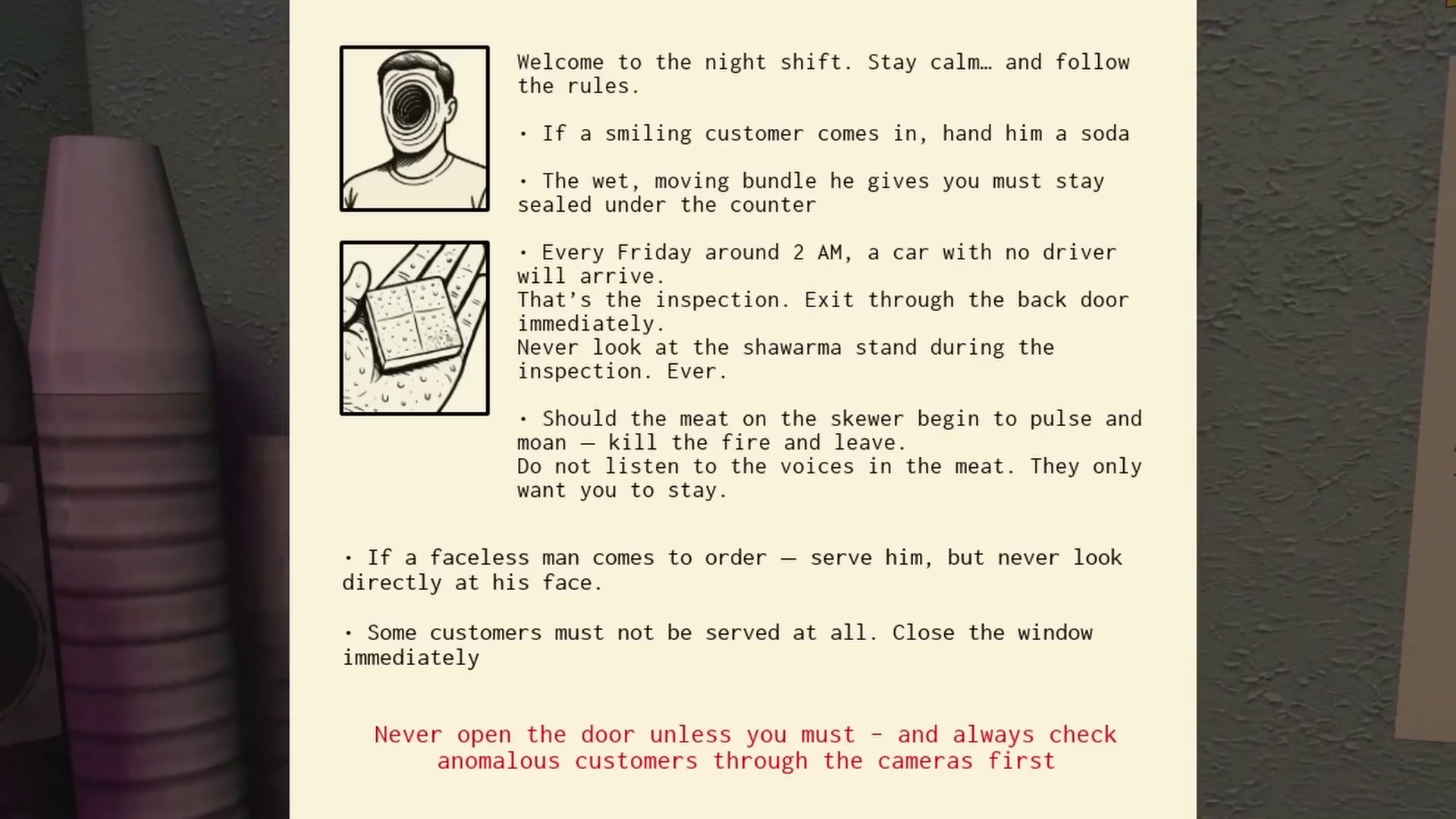
The CCTV camera system is your most reliable tool for anomaly detection. Mastering its use is essential for survival:
CCTV Spotting Techniques
- Always Check First: Never open the window without checking CCTV first
- Night Vision Test: Turn on night vision—if customer disappears, they're an entity
- Transformation Watch: Look for customers who transform when viewed through cameras
- Multiple Figures: Seeing two figures when there should be one
- System Malfunction: If CCTV becomes unusable, current customer is likely an entity
- Show Anomaly Boost: Use this feature when available to confirm suspicions
The few seconds it takes to check CCTV can save your life. Make it a non-negotiable habit.
Quick Recognition Patterns
Experienced players develop pattern recognition for common anomaly types. Here are the most recognizable patterns:
Pattern 1: The Disappearing Customer
Customer appears normal initially, but disappears when you check CCTV or turn on night vision. Action: Close shutter immediately.
Pattern 2: The Transformer
Customer looks normal but transforms into a creature when viewed through CCTV or when you look away. Action: Close shutter and wait.
Pattern 3: The Obvious Entity
Customer has clear visual abnormalities (white eyes, extra limbs, distorted proportions). Action: Close shutter without hesitation.
Pattern 4: The Environmental Trigger
Lights flicker, screen shows static, or glitches increase when customer approaches. Action: Be extra cautious, check CCTV thoroughly.
Developing Your Eye: Practice Makes Perfect
Becoming proficient at spotting anomalies requires practice and experience. Here's how to develop your skills:
Skill Development Steps
- Study Normal Behavior: Pay attention to how regular customers look, speak, and behave
- Compare and Contrast: When you encounter an anomaly, compare it to normal customers
- Learn from Mistakes: If you serve an entity, analyze what you missed
- Build a Mental Library: Remember common anomaly types and their characteristics
- Trust Your Instincts: If something feels wrong, it probably is
- Practice Speed: Learn to make quick but accurate assessments
Common Mistakes in Anomaly Detection
Avoid these common mistakes that lead to serving entities:
- Skipping CCTV Checks: Opening window without checking cameras first
- Rushing Judgments: Making decisions too quickly without proper evaluation
- Ignoring Subtle Signs: Dismissing small abnormalities as unimportant
- Overconfidence: Thinking you can handle entities safely
- Ignoring Instincts: Not trusting your gut feeling when something feels wrong
- Focusing on One Indicator: Relying on only appearance or only behavior
- Normalizing the Abnormal: Getting used to strange things and accepting them as normal
Advanced Spotting Techniques
Once you've mastered the basics, these advanced techniques can help you catch even the most subtle anomalies:
Advanced Methods
- Shadow Checking: Some entities cast no shadow or have distorted shadows
- Reflection Analysis: Check if customer appears correctly in reflections (if visible)
- Timing Patterns: Entities often appear at specific times or after certain events
- Sound Analysis: Listen for audio glitches or distortions when customer speaks
- Peripheral Vision: Sometimes anomalies are more obvious in your peripheral vision
- Double-Check Method: If unsure, check CCTV twice from different angles
Real-Time Decision Making Framework
When a customer approaches, use this decision-making framework:
- Step 1 - CCTV Check: Always check cameras first (non-negotiable)
- Step 2 - Visual Scan: Quick appearance check for obvious abnormalities
- Step 3 - Behavior Assessment: Listen to speech and observe movements
- Step 4 - Environmental Check: Note any flickering, static, or glitches
- Step 5 - Order Evaluation: Assess if the order makes sense
- Step 6 - Decision: If ANY red flag appears, close shutter. If all clear, proceed cautiously
- Step 7 - Monitor: Continue watching customer even after opening window
Conclusion
Mastering anomaly spotting techniques is essential for survival in Scary Shawarma Kiosk: the ANOMALY. By using a multi-layer detection system, mastering CCTV usage, developing pattern recognition, and practicing regularly, you'll significantly improve your ability to identify entities before they become threats. Remember: when in doubt, close the shutter. It's always better to be cautious than to serve an anomaly. With practice and experience, you'll develop the keen eye needed to spot even the most subtle anomalies, giving you the best chance of surviving your night shifts.